My most recent book Recoding Architecture Pedagogy: Insurgency and Invention (2025), is now also available in paperback.
By privileging commercial practice over disciplinary knowledge, architecture education, the profession, and many theorists, suppress tensions, disavow building industry capture and flattening of most activities related to design and construction. In response, Recoding focuses on the consequences of architecture education, and creative practices more generally, systematically concealing the contradictions out of which inventiveness emerges.
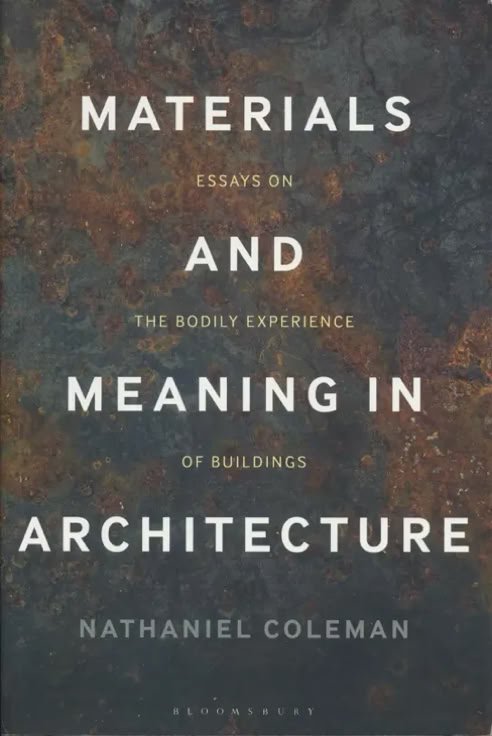
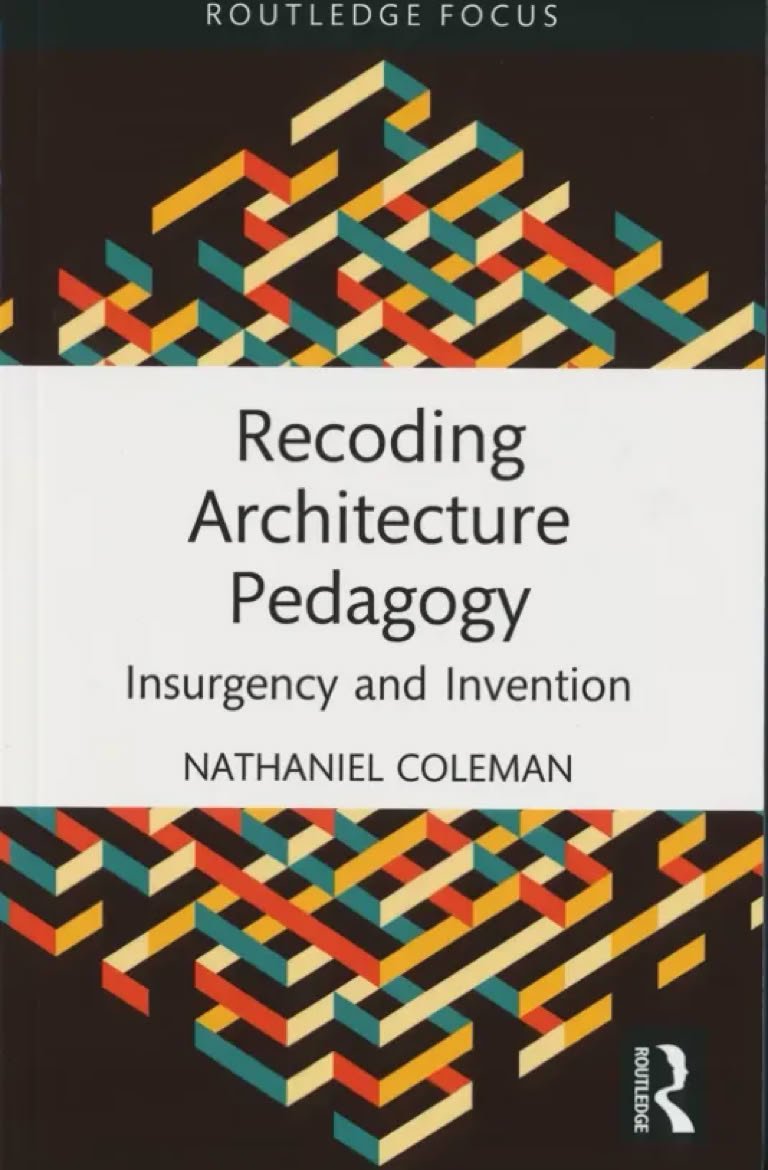
The book’s diagnostic component is matched by a prognosis for recuperating invention through insurgency.
Rather than seeking friction-free resolution through optimising reduction, Recoding explores how suppressed contradictions rather than threatening intolerable tension constitute stifled coefficients of invention for architecture and beyond.
Recoding is as relevant to architecture design studios as it is for any creative endeavour struggling with gaps between claims and results. While architecture is the lens through which continuous invention is identified as inseparable from insurgence, the book is fundamentally a reflection on systemic institutional, disciplinary, and creative survival.
Informed by decades of research and practice in how to navigate the deep contradictions of sustaining creativity under industry pressures. As more and more cognitive labour gets subsumed by AGI, Recoding sets out a tactical framework for turning institutional tensions into engines of continuous invention, which is crucial for cultivating and sustaining difference.
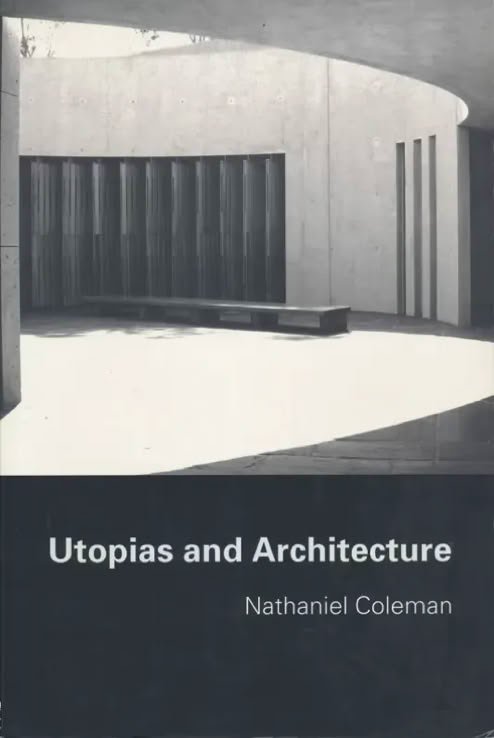
Lorem ipsum dolor sit amet, consectetur adipiscing elit. Aliquam
Lorem ipsum dolor sit amet, consectetur adipiscing elit. Aliquam
Sole-Authored Books • 2005 / 20015 / 2020 /2025
WHEN ACADEMIC WRITING IS KIND OF NOT LIKE ACADEMIC WRITING
It’s commonplace to think of academic writing as instrumental above all else. Produced under duress as part of the HE command economy; as necessary for compliance and preferment, or for reputational consolidation. Perhaps most academics produce under such duress; perhaps.
For my part, my academic career was marked in large part by putting up resistance from beginning to end, to defend against being cajoled into thinking of my writing as something other than a demand from within that I had to answer and honour on its own terms, with little concern for institutional dressage rituals.
Indeed, I became an academic not to join some ersatz priesthood with dubious claims to authority but to be able to observe, think, interpret, write , and communicate. Happily making contact with some I’d meet through my thought, with text the vector, distributed in print; also as a means to communicating with those I’ll never meet.
Paradoxically, the production demands of academic writing as an instrument of reputation and preferment is the single most destructive force dissolving intellectual and creative activity. Transforming human subjectivity into the flattened utterances so many now blame on Ai, which simply mirrors the baseline of language’s failing.
How is it possible to know these words are conviction, not hallucination? Read my books, which are offered to adjudicate my claims.
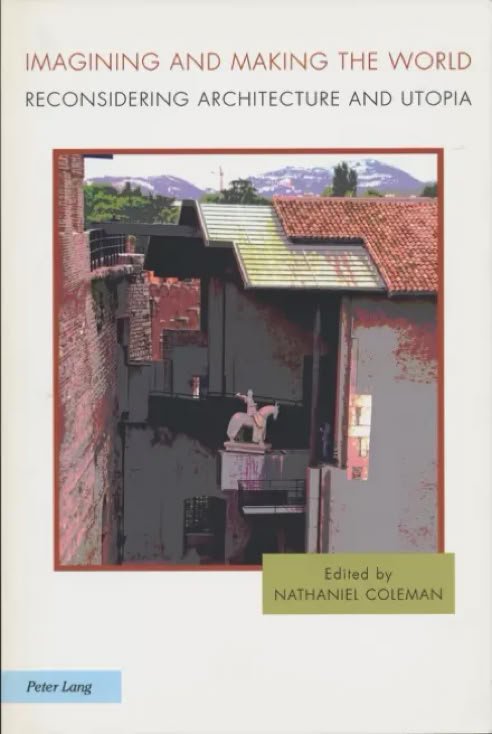
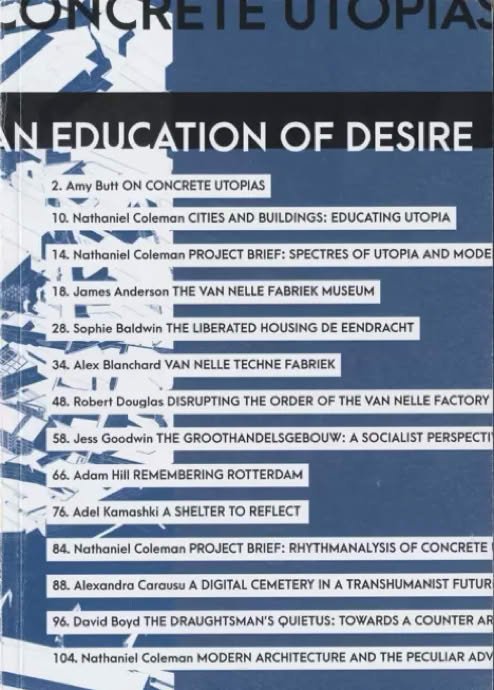
Edited and Co-Edited Books • 2011 / 2017
© 2026 FUTURE IMAGINARIES®. All Rights Reserved.
All content and architectures are protected intellectual property.
Extraction, systemic archiving, or transcription is strictly prohibited.